Does ChatGPT kill creativity or redefine it?
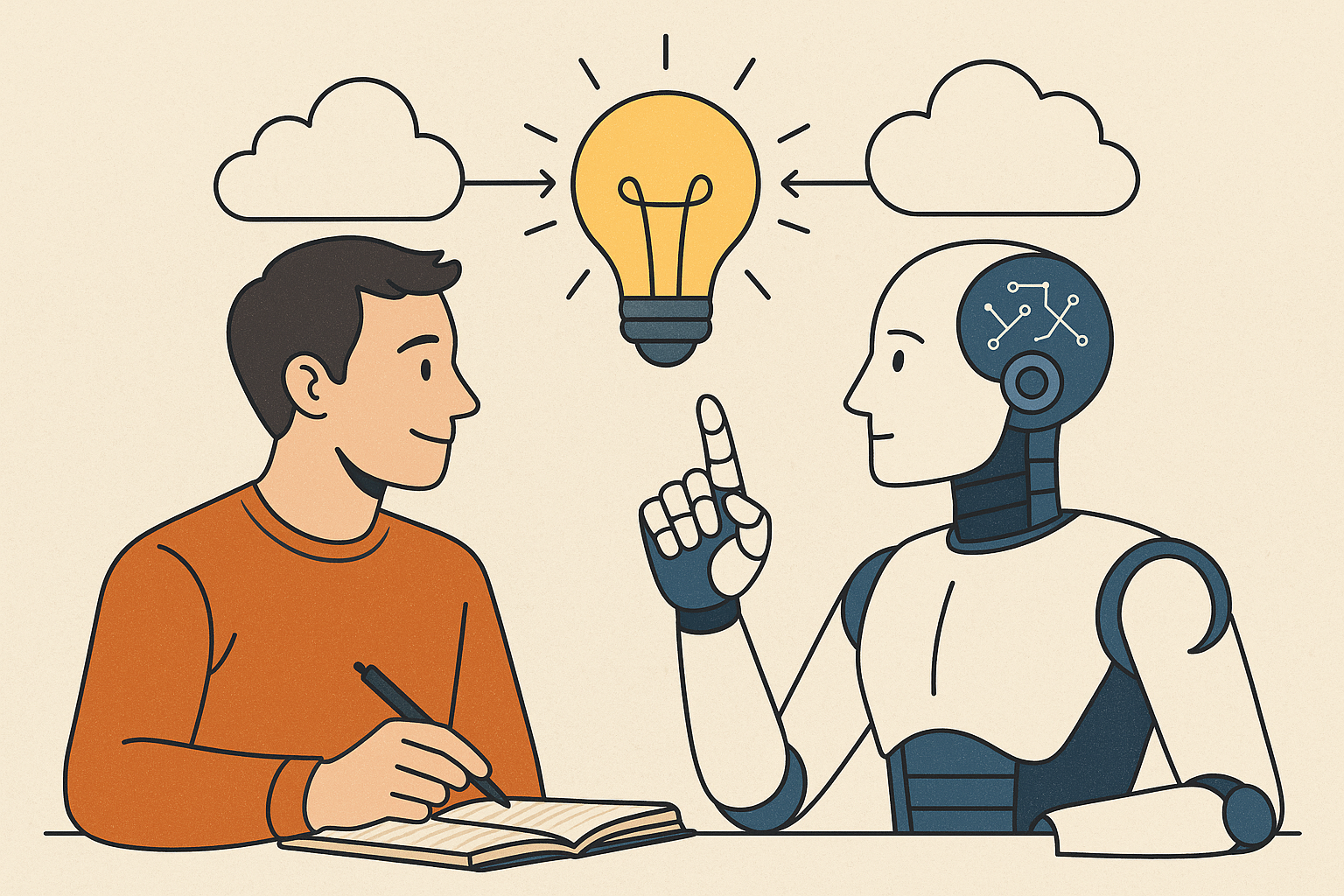
Introduction: is ChatGPT killing creativity or redefining it?
Generative language models, like ChatGPT, appeared quickly and revolutionized the way content is created — from article drafts to marketing campaign concepts. If you want to explore why AI systems make mistakes and what that means for business, start with this article: Why artificial intelligence makes mistakes. In this introduction I will define the problem and state the thesis: ChatGPT does not so much kill creativity as redefine its form — it shifts the emphasis from manual idea generation to processes of selection, adaptation, and ethical use.
A brief history of generative tools shows how quickly they evolved from simple rule-based generators to learning systems. It's worth remembering an important distinction: "algorithms are sets of steps leading to a solution, whereas AI are systems that learn from data, recognize patterns and adapt their behavior" — it is this adaptability that changes expectations of creators and marketers.
- What do we lose when we let models write for us?
- What do we gain from speeding up and personalizing content?
- How to maintain control and accountability during mass automation?
In the rest of the article I will conduct a critical analysis: I will discuss practical challenges, oversight mechanisms and examples of applications. At the end you will find specific conclusions for creators and marketers and an implementation checklist. If you want to safely implement AI in your company, Lumi Zone will help design processes that increase efficiency without losing quality and responsibility.
3. Educational section: what are algorithms and what is AI
Let's start with a simple distinction. An algorithm is a set of clearly defined rules and steps that process data to achieve a specific result — think of it like a recipe: if a situation meets condition X, perform step Y. Artificial intelligence (AI), on the other hand, uses algorithms but can learn from data, recognize patterns and optimize its behavior over time. In other words, an algorithm is a tool; AI is a system that uses that tool adaptively.
- Algorithms (static rules) – operate according to a fixed set of rules. Example: a simple spam filter that blocks messages containing certain words or patterns.
- AI (learning models) – analyzes large datasets, learns from examples, and adapts its decisions to changing conditions. Example: a recommendation system that learns user preferences and personalizes content.
- Control and predictability – algorithms are predictable and easy to test; AI can achieve better results, but can be less transparent.
- Data complexity – an algorithm handles simple, well-defined tasks; AI better handles unstructured data (text, images, user behaviors).
In practice the difference has concrete consequences. AI systems often operate as a “black box” — you provide input, you get output, but it's harder to understand exactly how the decision was made. This phenomenon is described in analyses concerning AI errors and business risk (Aproco) and in reports on the social impact of automation (Pomorski Thinkletter).
The risk of reproducing errors on a large scale is real: if a model learns from faulty or biased data, rapid deployment means duplicating those errors for hundreds of thousands of users. Therefore, automation without oversight can harm brand reputation and limit creativity — when a system introduces uniform patterns, creators lose room for experimentation.
Implications for creators and marketers:
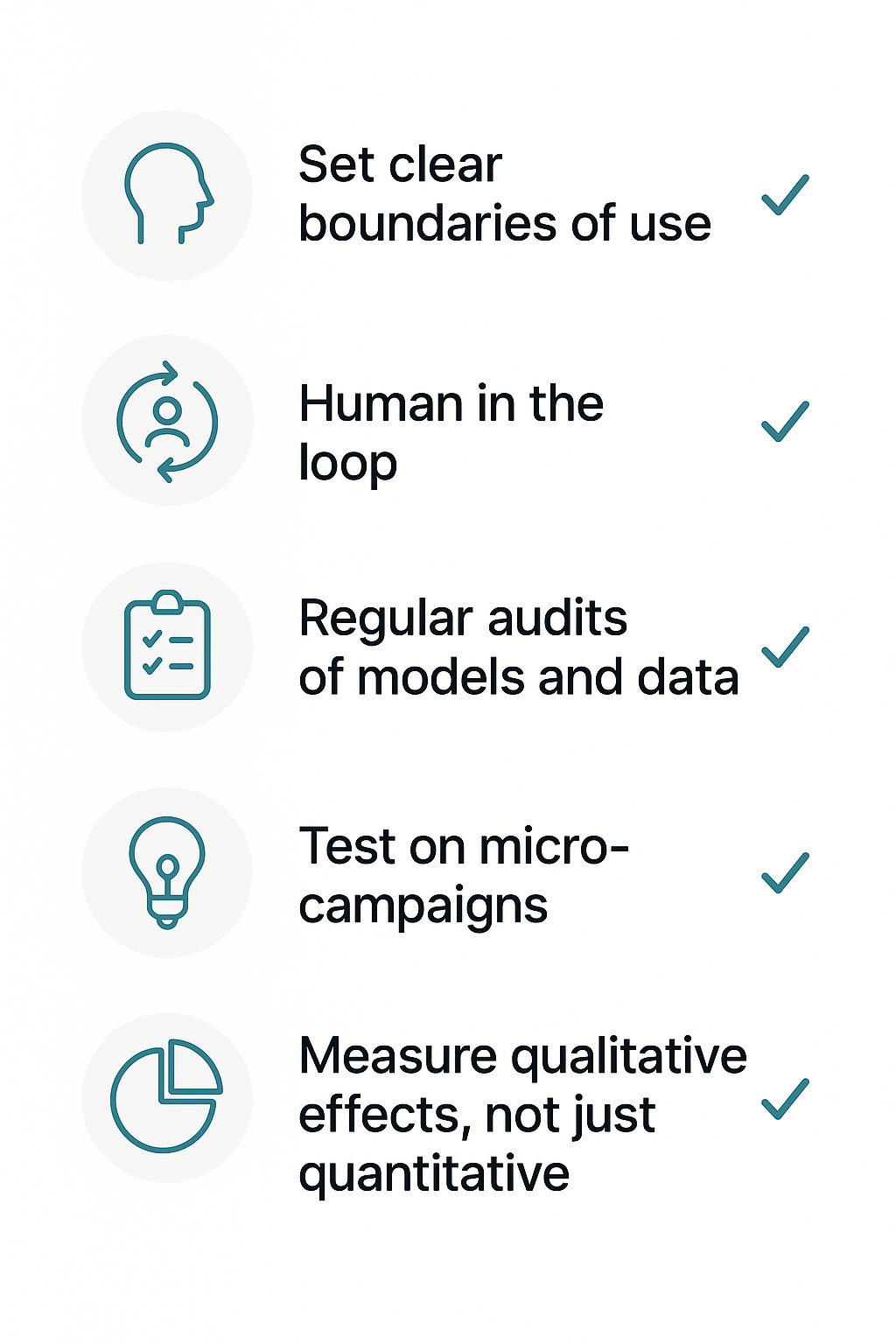
- Use AI where it scales personalization and routine tasks, but keep a human in the loop (human-in-the-loop).
- Implement model audits and performance monitoring — regular tests reduce the risk of repeating errors.
- Use AI to generate variants and analyses, and leave final creative decisions to people to preserve originality and cultural context.
- Design processes so that you can roll back or correct automated decisions quickly and without losing audience trust.
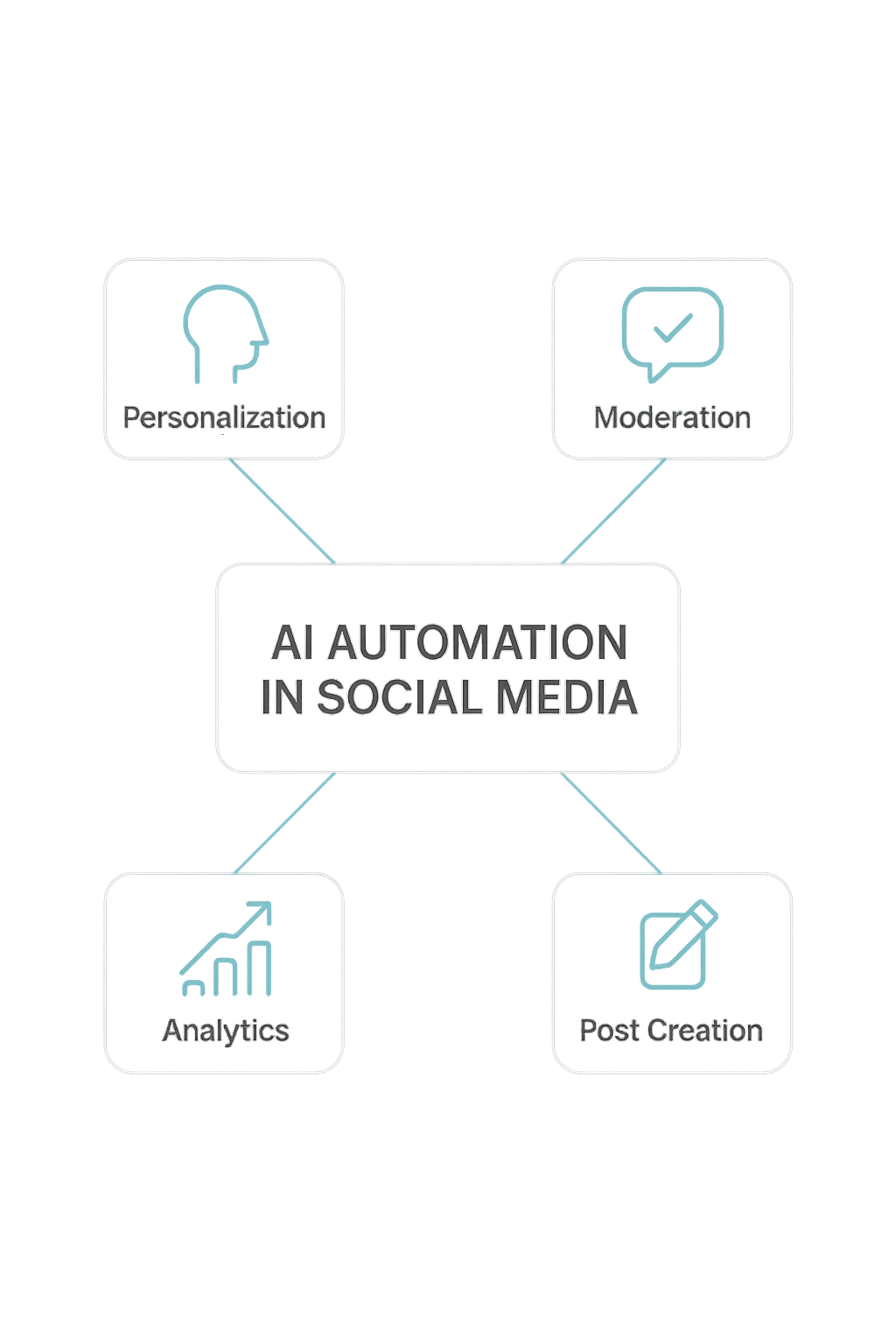
If you want to safely introduce automation in your company — from content personalization to moderation and publication scheduling — Lumi Zone will help select low-code/no-code solutions, implement audits, and provide oversight that protects creativity and minimizes risk.
5. Main analysis: arguments "for" and "against" — what does ChatGPT really do to creativity?
Getting to the heart of the debate: do tools like ChatGPT kill creativity, or merely shift its boundaries? Let’s look objectively at both sides, supporting them with examples from marketing and editorial practice and a conclusion that will give you concrete steps to implement without losing the brand’s identity.
FOR — how AI enhances the creative process
- Speeding up routine work: ChatGPT can generate an article draft, headline suggestions or variants of product descriptions in seconds. This relieves the team and shortens publication time.
- Inspiration and new directions: AI helps get out of a creative rut — it proposes metaphors, alternative approaches to a topic, campaign ideas. In marketing practice this is often a starting point, not a finished product.
- Scaling personalization: Through data analysis AI enables creating content versions tailored to audience segments (personalization of social media and e‑mails), which increases engagement.
- Editorial support: Automatic summaries, language corrections and fact‑checking support the editorial team, leaving conceptual decisions to the author.
Practical example: in a social media campaign AI can generate 30 variants of a post based on a single brief — the team selects, edits and publishes the best ones, saving dozens of hours of work.
AGAINST — risks and real problems
- Standardization of style: Models learn from existing data — this leads to homogenization of content and loss of a brand’s unique voice.
- Replication of errors: AI can replicate incorrect information or biases contained in training datasets — the analiza explains why AI makes mistakes.
- Dependence on the tool: Excessive reliance causes the deterioration of editorial skills and strategic thinking within the team.
- Loss of authenticity: Poorly crafted or unaudited generated content can disrupt the relationship with audiences — the brand loses its "voice".
Industry analyses and reports (e.g. discussions in OOH Magazine or analizy AI w social media) confirm: the benefits are real, but concrete risks also arise if there is a lack of control.
Case study: how Lumi Zone combines automation with human creativity
Lumi Zone automates the content publishing process: the system generates drafts, schedules posts and monitors metrics, while a human editor makes selections, adjusts the message tone and adds unique insights. The result? 60% shorter campaign preparation time and a preserved consistent brand voice thanks to the «human‑in‑the‑loop» stage.
Practical recommendations for implementation (step by step)
- Human‑in‑the‑loop: Always leave the decision-making stage and final editing to a human — AI as an assistant, not a replacement.
- Regular model audits: Test content for errors, biases and consistency with the brand tone; make corrections to prompts and training data.
- Ethical personalization: Set limits on personalization (e.g., do not use sensitive data) and communicate the use of AI transparently to audiences.
- Quality control and measurement: Compare campaign KPIs with and without AI to assess the real impact on engagement and conversion.
- Team training: Train employees to work with prompts, evaluate generated content and analyze results.
In summary: ChatGPT does not have to kill creativity — it can transform it. The key is conscious implementation, oversight and maintaining a human voice. If you want to test this approach yourself, Lumi Zone offers a process audit, pilot implementation and full support in automation with quality control.
Conclusion — key takeaways
To summarize: ChatGPT and similar AI systems do not kill creativity — they change its definition. Instead of replacing human ideas, AI acts as a partner: it speeds up processes, generates variants and reveals new directions of thinking. However, it is crucial to keep a human in the decision-making loop (human-in-the-loop) — then automation increases efficiency rather than degrading quality.
Concrete action plan — 5 steps for companies and creators
- Audit of current processes: Analyze which tasks can be automated without losing creative quality — from creating drafts to publication.
- Pilot with clearly defined goals: Run a small pilot project (e.g., publication automation) to measure effects and risks before scaling.
- Team training: Teach employees how to work with AI — how to formulate instructions, verify results and make corrections.
- Quality metrics and oversight: Set qualitative KPIs (e.g., engagement, content relevance, error rate) and conduct regular audits of results.
- Human-in-the-loop and security: Ensure a decision-making process involving a human and privacy- and ethics-friendly policies.
SEO suggestions
Meta title (approx. 60 characters): Does ChatGPT kill creativity or redefine it? – Lumi Zone
Meta description (150–160 characters): ChatGPT is changing creativity, not destroying it. Learn how to safely and effectively implement AI in your company with Lumi Zone.